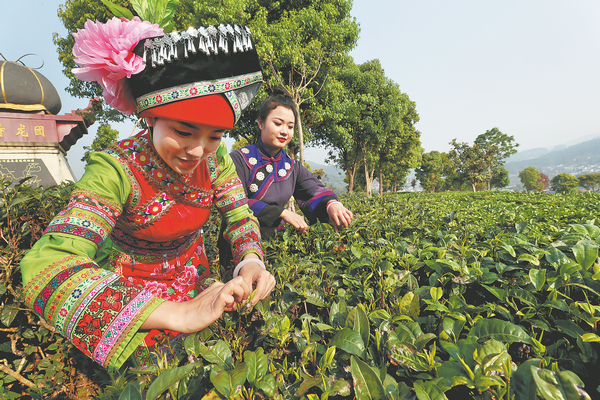
Blang Ethnic Group
Introduction
The Blang ethnic group primarily residing in the Yunnan province of China. This group is particularly known for its deep-rooted association with tea cultivation, especially Pu'er tea, which plays a central role in their cultural and economic life. The Blang people have a rich history that dates back over 1,400 years, with Laoman'e village being one of their significant settlements. The Blang people have maintained a harmonious relationship with their natural environment, particularly through the cultivation and preservation of ancient tea forests. This symbiosis not only supports their economy but also preserves their cultural heritage. Tea is not just a commodity for the Blang; it is a way of life that encompasses their traditions, rituals, and daily activities.
History
The history of the Blang ethnic group is intricately linked with the cultivation of tea, particularly in the Jingmai Mountain area. They are believed to have been among the first to recognize the medicinal qualities of wild tea trees. This realization led to the establishment of settlements and the systematic cultivation of tea in the region, including areas like Laoman'e village and Jingmai Mountain. The Blang's tea culture has been preserved through generations, and it remains a cornerstone of their identity. The community's historical journey also includes contributions to the Ancient Tea Horse Road, an ancient trade network that facilitated the exchange of tea for horses and other goods, further embedding tea into the historical tapestry of the region.
Demographics
The Blang ethnic group resides predominantly in the Yunnan province, where they are part of a larger tapestry of ethnic groups, including the Dai, Hani, and Va. The Blang population in Yunnan is concentrated in areas such as Menghai county, particularly around Laoman'e and Jingmai villages. The population engages primarily in agricultural activities, with tea production being the primary economic driver.
Culture
Language
The Blang people speak a language belonging to the Mon-Khmer language family, which reflects their deep historical roots in Southeast Asia. This language, distinct yet influenced by surrounding ethnic groups, is an integral part of their cultural identity. Despite the younger generation receiving education in Mandarin, efforts to preserve the Blang language are ongoing, with linguistic researchers and community leaders working to document and teach it to ensure its survival.
Religion
The religious practices of the Blang ethnic group are closely tied to their natural environment and traditional beliefs. Ancestor worship and animism are predominant, with rituals often centered around the tea trees that are considered sacred. The Blang people believe in the presence of spirits in natural elements, and ceremonies are conducted to honor these spirits and seek blessings for bountiful harvests. Such spiritual practices underscore the community's profound respect for nature and their reliance on its harmony.
Traditions and Customs
The Blang ethnic group is renowned for its rich traditions and customs, many of which are intertwined with their tea culture. Annual rituals and ceremonies are held to pay homage to their ancestors and the spirits of the tea trees. These events are marked by communal gatherings, traditional music, and dance, reflecting the deep cultural heritage of the Blang. Their customs also include unique tea cultivation techniques and the passing down of folklore and oral histories that reinforce their cultural values.
Pu'er Tea
Pu'er tea is an essential aspect of the Blang cultural and economic identity. The Blang people have been cultivating this renowned tea for generations, with ancient tea forests in Jingmai Mountain serving as a testament to their long-standing heritage. Pu'er tea is not only a commodity but a cultural symbol for the Blang, representing their history, traditions, and connection to the land. The cultivation process is deeply embedded in their daily lives, and the tea holds significant social and ceremonial value.
Economy
The economy of the Blang ethnic group is fundamentally driven by tea cultivation, particularly Pu'er tea, which is a significant economic resource. The ancient tea forests of Jingmai Mountain and Laoman'e village are central to their economic activities. The Blang community also benefits from the global demand for Pu'er tea, which has led to increased tourism and a burgeoning market for local tea products. Additionally, the Blang people engage in other agricultural practices, although tea remains the primary economic focus. The economic prosperity derived from tea has enabled the Blang to invest in community development and preservation efforts, ensuring the sustainability of their cultural and economic practices for future generations.
Preservation Efforts
Preservation efforts among the Blang ethnic group are focused on maintaining their cultural heritage and the ancient tea forests. The designation of the Cultural Landscape of Old Tea Forests of Jingmai Mountain as a UNESCO World Heritage Site has spurred initiatives to protect these natural and cultural assets. Local governance, along with community-based conservation teams, has implemented regulations to prevent harmful practices and promote sustainable development. Awareness initiatives have been launched to educate both locals and tourists about the importance of preserving the Blang's cultural landscape. These efforts are complemented by the active involvement of the younger generation, who are returning to their roots to contribute to the preservation of their ancestral heritage. Through these comprehensive measures, the Blang community strives to safeguard their culture while embracing sustainable economic growth.








